Top Mental Health Retreats
Most loved packages right now

Most loved packages right now
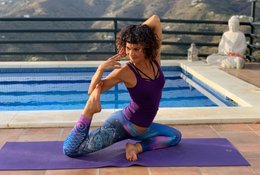
 Spain
Spain
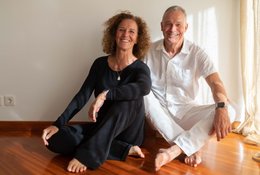
 Greece
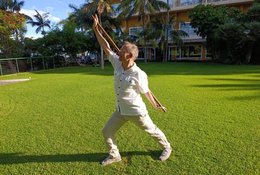 Spain
Spain
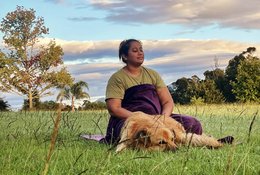
 South Africa

 Portugal
 Portugal
 Portugal
 Canada

 Costa Rica
 Portugal
 Portugal
 Canada
Find support for what you're facing right now.
A mental health retreat is dedicated time away from daily life to focus on a specific mental health issue or on traits and conditions that can seriously affect your wellbeing if left unattended. A mental health retreat offers a safe, structured space to kickstart recovery or learn to manage symptoms more effectively.
On a mental health retreat, you’ll usually follow a tailored plan that may include therapy-style sessions (such as psychotherapy, counseling, CBT), coaching, or evidence-based alternative treatments (like Ayurveda or naturopathy), alongside supportive practices such as mindfulness, Yoga, or time in nature. Whether you’re living with depression, anxiety, burnout, addiction, or struggling with low self-esteem, rumination, or confidence, the immersive setting helps you work on underlying patterns – not just “take a break”.
Important: Mental health retreats are not a substitute for medical or psychiatric care and are not appropriate for people in acute crisis. They are designed to complement professional treatment and help you learn to manage symptoms and traits in a more sustainable way.
These retreats are meant for people who want more than general self-care: the focus is on mental health long-term, not just temporary relaxation.
Some retreats are more clinically oriented (with licensed therapists and clear treatment frameworks), while others blend therapeutic approaches with structured holistic methods. Always check who leads the program and what kind of support is actually offered.
Even short retreats can be useful to kickstart recovery or to learn to manage symptoms better, as long as they offer more than general wellness activities.
You can join a mental health retreat close to home or in peaceful locations abroad. Popular choices include:
Most mental health retreats offer a mix of:
Comfort ranges from simple, cozy venues that often offer budget mental health retreats and basic packages to more indulgent luxury mental health retreats with spa facilities, pools, and high-end accommodation.
A mental health retreat is a structured program where you spend several days working on a specific mental health condition (like depression, anxiety, addiction, burnout, PTSD) or on traits that impact mental wellbeing (like low self-esteem, rumination, low resilience, lack of confidence). You’re supported by professionals or trained facilitators, and you follow a plan designed to help you manage symptoms more effectively and understand your patterns better.
Most retreats begin with an assessment or intake to understand what you’re dealing with. You then follow a program that can include 1:1 sessions (therapy, counseling, coaching), group work, psychoeducation, and holistic practices like mindfulness, Yoga, or breathwork. The daily rhythm is usually gentle but structured, with space for rest and reflection as well as active work on your mental health.
These retreats are suitable for adults who are living with non-psychotic mental health issues (such as depression, anxiety, OCD, PTSD, burnout, phobias, addiction, or eating-related difficulties) or who want to work on traits like low self-esteem, rumination, lack of confidence, or low resilience. They are not designed for people in acute crisis, with severe symptoms that need hospital-level care, or with active risk of harm; in those cases, immediate professional help is essential.
Emotional healing retreats typically focus on temporary or situational issues (like a breakup, grief, or a life transition) and on processing specific emotional experiences. Mental health retreats focus more on long-term or recurring patterns and diagnosable conditions (for example depression, anxiety, addiction, OCD, PTSD, chronic stress, rumination, or persistent low self-worth). The emphasis is on building management skills and supporting ongoing treatment, not just processing a single event.
No. Mental health retreats are meant to complement, not replace, ongoing treatment. They can be a powerful way to kickstart recovery, deepen work you’re already doing with a therapist, or learn new tools in a focused setting. Medication changes, diagnosis, and crisis support should always be handled by qualified medical or psychiatric professionals.
A weekend retreat can provide a pause, some insight, and a few concrete tools. A week-long retreat generally allows for deeper rest, more extensive work on patterns and skills, and better integration. Longer, more intensive programs may be helpful if you’re dealing with more entrenched issues, but they also require more emotional and practical readiness. It’s important to choose a length that feels safe and realistic for you.
While every person is different, many people leave feeling calmer, more understood, and more equipped to manage their symptoms. You might notice improved sleep, reduced stress, a clearer sense of what triggers you, and new strategies for dealing with difficult thoughts or feelings. A retreat won’t “fix everything,” but it can be a significant step in a longer journey of treatment and self-understanding.
Start by clarifying your main focus: depression, anxiety, burnout, addiction, PTSD, self-esteem, stress, rumination, or something else. Then look at:
Whenever possible, read reviews, ask questions, and discuss your plans with your existing doctor or therapist so your retreat becomes a well-supported part of your mental health journey.

A Tripaneer gift card is the perfect present for anyone interested in wellness, culture, and adventure. For any journey, near or far, choose between 17,500 experiences worldwide.
Over 300K wellness and adventure travelers like you have chosen Tripaneer for their unforgettable journeys so far. Hear what they have to say about us!
enjoyed through us worldwide
recommend booking with us
4.6 star average organizer score
“Amazing experience... most recommended”
 South Korea
“What an amazing experience I had a total reset💜”
 United States
“Yoga Teacher Training at Sundari was a wonderful experience.”
 United Kingdom