Hiking Tours in Machu Picchu, Peru

6 curated Machu Picchu Hiking Tours: trek the legendary Classic Inca Trail, cross Dead Woman’s Pass, and enter the citadel through the historic Sun Gate.

90,000+ Verified Reviews 90,000+ Reviews
100% Verified Organizers Vetted Hosts
Best Price Guarantee Best Price

Popular categories

Why Go on a Machu Picchu Hiking Tour?

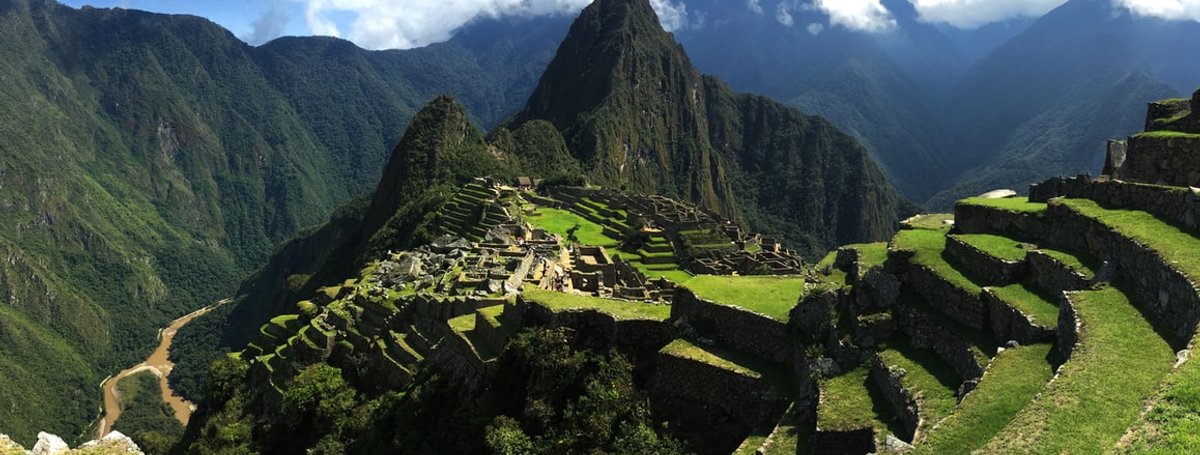
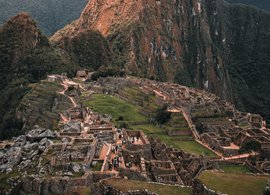
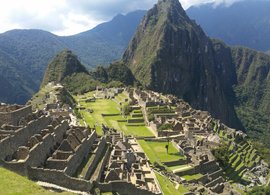
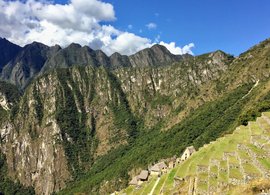
A Machu Picchu hiking tour suits travelers who want to combine jaw-dropping Andean landscapes with world-class archaeology. Arriving at the Sun Gate (2,720 m / 8.924 ft) on foot provides a profound sense of historical immersion that a standard train journey simply cannot replicate. You will follow paths laid down by the Inca Empire over 500 years ago, crossing high-altitude mountain passes, winding through moss-draped cloud forests, and discovering hidden stone citadels that are completely inaccessible by vehicle.

While the Classic Inca Trail is world-famous, the region features incredible route variety, allowing you to choose a trail profile that matches your physical conditioning, timeline, and comfort preferences:

  • Classic Inca Trail: The legendary 4-day,44 km (27.3 mile) flag-bearer route. It is a beautifully preserved ancient stone highway featuring direct trail access to Machu Picchu through the Sun Gate
  • Salkantay Trek: The premier alpine alternative for high-adventure hikers. It trades crowded stone steps for rugged mountain passes, soaring past the towering 4,630m (15,190 ft) Salkantay Pass and the brilliant turquoise waters of Humantay Lake
  • Short Inca Trail: A compact 2-day itinerary starting at Kilometer 104. It condenses the best scenery and the final stone steps into a single day of moderate hiking—perfect for families or travelers short on time
  • Lares Trek: Often called the "Cultural Route." This trek winds through the remote, high-altitude valleys of the Sacred Valley, focusing heavily on authentic interactions with traditional Quechua-speaking weaving communities before connecting to the ruins by train
  • Ancascocha Trek: An off-the-beaten-path hidden gem for experienced trekkers seeking absolute solitude, dramatic alpine views, and challenging vertical elevation gains

What to Expect from a Typical Tour

  • Paced High-Altitude Hiking: Steady daily distances accompanied by licensed, English-speaking historical guides who act as wilderness experts and cultural narrators
  • Stunning Altitude Shifts: Trekking through dramatic microclimates, moving from crisp alpine tundra down into humid, orchid-filled subtropical cloud forests
  • Full-Service Trail Camps: Tented camps set up entirely ahead of your arrival by an extraordinary team of local Quechua porters or horsemen
  • Andean Culinary Mastery: High-energy, multi-course meals featuring fresh local ingredients like quinoa, alpaca lomo saltado, and comforting soups designed for high-altitude recovery
  • Pack-Free Trekking: Porters or pack horses transport all heavy camp infrastructure and your main duffel bag; you hike freely with a light daypack
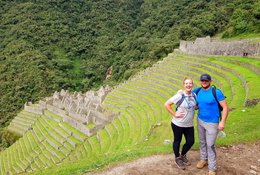
  • Historical Briefings: Interactive guided tours of lesser-known, stunning archaeological checkpoints along the trail like Runkurakay, Sayacmarca, and Wiñay Wayna

Best Time to Visit and Climate

The Peruvian Andes experience two distinct seasons—dry and wet—deeply influencing trail conditions and mountain visibility.

  • May to September (Dry Season): The peak window for trekking. Days are consistently sunny and dry with clear blue skies, offering flawless panoramic views. Nights at high camps like Pacaymayu can plummet to freezing (0°C to 5°C / 32°F to 41°F), so high-quality cold-weather layers are critical. July and August see the highest trail traffic
  • April & October (Shoulder Seasons): Exceptional times to visit for those seeking a quiet trail experience. Rains are infrequent, the valleys are lush and vibrant green from residual moisture, and crowds at the ruins are significantly thinner
  • November to March (Wet Season): The region experiences regular rain showers, making paths muddy and stone steps slippery

FAQ about Hiking & Trekking Tours in Machu Picchu, Peru

  1. How far in advance do I need to book to secure an Inca Trail permit?

    Because the Peruvian Ministry of Culture strictly caps Inca Trail entries to just 500 permits per day (which includes guides, porters, and chefs), spots for the peak dry season (May–August) sell out 5 to 7 months in advance. Alternative routes like Salkantay or Lares do not rely on these restrictive trail permits, but still require booking a few months early to secure your corresponding Machu Picchu circuit entry tickets and return train logistics.

  2. I am a solo traveler; can I book onto a trek alone?

    Absolutely. Joining a Small Group Departure is highly popular for solo adventurers. You will share meals in the communal dining tent, tackle the mountain passes as a cohesive team, and be paired with a same-sex tent mate (or you can request a private single tent supplement). The communal atmosphere fostered by the mountain crews makes it incredibly easy to forge lifelong friendships on the trail.

  3. Do I need to carry local currency (Soles), or are US Dollars accepted?

    You should carry a mix of cash. While large establishments in Cusco accept US Dollars and credit cards, you will need physical Peruvian Soles in small denominations for the trail. Local cash is necessary for tipping your porters, guides, and chefs at the end of the trek, renting trekking poles at the trailhead, purchasing bottled water or snacks from local vendors in the early stages of the hike, and using the restrooms at the Machu Picchu entrance.

  4. How difficult is Dead Woman's Pass, and will I get altitude sickness?

    Dead Woman's Pass (Warmiwañusqa) is the highest point on the Classic Inca Trail at 4,215 m (13,828 ft). It involves a grueling, multi-hour stone stair climb that requires mental endurance and steady pacing. To mitigate Acute Mountain Sickness (AMS), it is mandatory to spend at least 2 to 3 days acclimating in Cusco (3,400m) or the Sacred Valley before your trek begins.

  5. Are trail running shoes okay, or do I need full hiking boots?

    For the Classic Inca Trail, a sturdy, waterproof hiking shoe or mid-cut boot with a rigid sole and aggressive grip is highly recommended. The trail is dominated by thousands of uneven, centuries-old stone steps that can become slick when wet, making ankle stability and traction paramount. Save lightweight trail runners for camp recovery or for gentler, lower-altitude paths like the Short Inca Trail.

Categories for Hiking & Trekking Tours in Machu Picchu

Wellness & Transformation Retreats in Machu Picchu

Adventure & Outdoors Holidays in Machu Picchu

Popular holiday destinations near Machu Picchu

Buy a Gift Card


Gift Card: Great for all Occasions

A Tripaneer gift card is the perfect present for anyone interested in wellness, culture, and adventure. For any journey, near or far, choose between 17,500 experiences worldwide.

The World’s Most Trusted Travel Experience Community

Over 300,000 wellness and adventure travelers like you have chosen Tripaneer for their unforgettable journeys so far. Hear what they have to say about us!

Over 320,000 trips enjoyed

enjoyed through us worldwide

93% of our customers

recommend booking with us

90,000+ verified reviews

4.8 star average organizer score

“A Beautiful Retreat to Disconnect, Restore, Reset & Recharge”
— A. V.
Flag of United States United States
“A fabulous week in the French countryside with amazing hosts”
— S. B.
Flag of United Kingdom United Kingdom
“Life enhancing and altering experience”
— Y. C.
Flag of France France

Still searching for that perfect trip?

Get weekly inspiration delivered right to your inbox!

Served by bd711a0b1f1b:8000

Logging out

of Tripaneer websites

mandatory for layout