Top Jiu-Jitsu Camps
Most loved packages right now
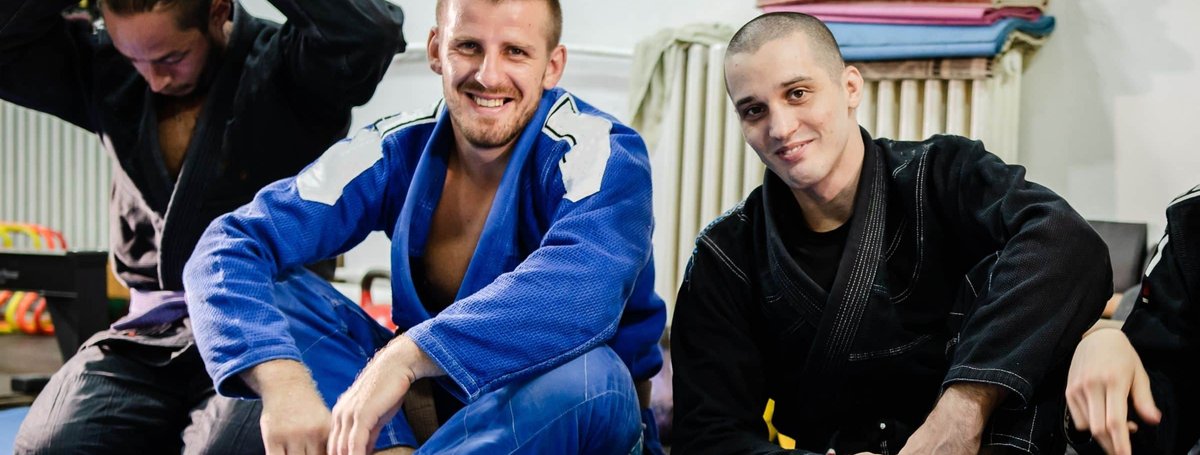
Most loved packages right now
 Thailand

 Mexico
 Mexico
 Mexico
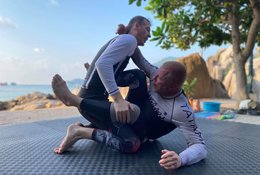 Thailand
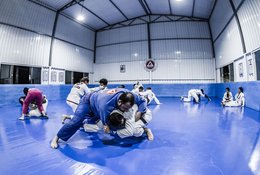
 Brazil
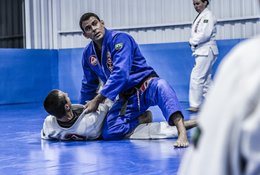 Brazil
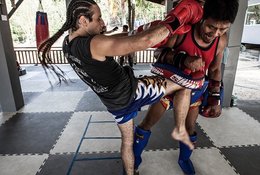 Thailand
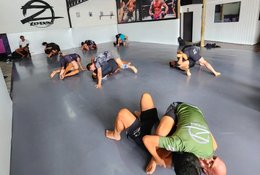 Brazil
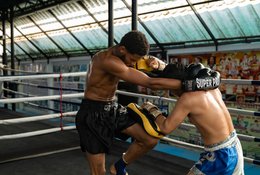 Thailand
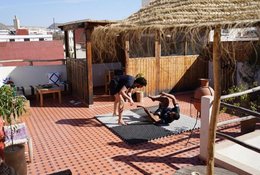
 Morocco
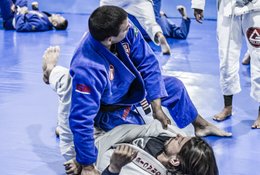 Brazil
Best offers live now - book before they are gone.
Mexico
Mexico
Mexico
 Cambodia
A jiu-jitsu camp is a training-focused getaway where your main “holiday plan” is showing up to the mats, learning, and improving—usually faster than you would at home. Instead of squeezing classes around work and daily life, you follow a structured schedule of jiu-jitsu sessions, drills, and recovery time in a setting designed for progress.
Most camps include multiple training sessions per day (often technique + sparring/open mat), with optional extras like mobility work, strength and conditioning, yoga, or breathwork to support recovery. Some camps are competition-minded and intense; others are more balanced and lifestyle-friendly. Each listing has its own daily rhythm, so the timetable is your best clue to how hard the camp will feel.
If you’re comparing styles across disciplines, you can also explore All martial arts camps.
Jiu-jitsu camps can feel very different depending on the training focus and the group:
Tip: If you want to level up without feeling wrecked, look for a camp with strong technique blocks, structured sparring, and recovery sessions built into the schedule.
If you’re newer to intensive training blocks, 5–7 days often feels like the best balance between progress and recovery.
You can stay close to home or travel abroad depending on the vibe you want—city gyms with strong training culture or warm-weather destinations that pair training with downtime. Popular choices include:
Most jiu-jitsu camps offer a mix of:
Comfort ranges from simple, gym-first setups to camps with upgraded lodging and more comfort built in. If you’re keeping costs practical, compare Budget jiu-jitsu camps. If you want a more indulgent “train + recover” experience, explore Luxury jiu-jitsu camps.
A jiu-jitsu camp is a training-focused trip where you follow a structured schedule of BJJ sessions over several days, often with extra coaching and plenty of mat time to accelerate progress.
Often, yes—if the camp is clearly beginner-friendly and offers fundamentals and controlled sparring. If you’re new, look for camps that mention “all levels” and explain how they separate groups or modify intensity.
Many camps include a morning technique session, a second training block (drilling or sparring), and optional recovery work like mobility or stretching. Some schedules are intense; others leave plenty of downtime.
That depends on the camp. The timetable is the best indicator: number of sessions per day, how much sparring is included, and whether recovery is built in. If you prefer moderate intensity, choose a camp that emphasizes technique and includes rest time.
Usually yes, but it varies. Some camps can advise on what to pack or offer rental options. Check the listing for gear notes, including gi/no-gi sessions.
Absolutely. Many people attend solo. The shared training schedule makes it easy to connect, and the gym environment is naturally social.
Most people leave with sharper technique, better timing, and more confidence—plus specific improvements in a few areas you trained repeatedly. Long-term gains depend on how you continue training afterward.
Start with defining your main goal: fundamentals, competition prep, technique details, or a balanced “train + recover” week. Then check the schedule: sessions per day, sparring volume, and recovery options. Choose a camp whose intensity matches your current conditioning and injury history, so you can train consistently and enjoy the process.

A Tripaneer gift card is the perfect present for anyone interested in wellness, culture, and adventure. For any journey, near or far, choose between 17,500 experiences worldwide.
Over 300,000 wellness and adventure travelers like you have chosen Tripaneer for their unforgettable journeys so far. Hear what they have to say about us!
enjoyed through us worldwide
recommend booking with us
4.8 star average organizer score
“A Beautiful Retreat to Disconnect, Restore, Reset & Recharge”
 United States
“A fabulous week in the French countryside with amazing hosts”
 United Kingdom
“Life enhancing and altering experience”
 France