Top Tai Chi Retreats
Most loved packages right now

Most loved packages right now
 China

 Spain
 China
 China
 China
 Sri Lanka
 China
 Spain
 China
 Greece
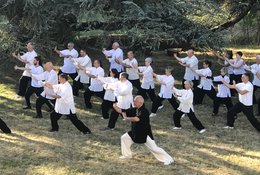
 France
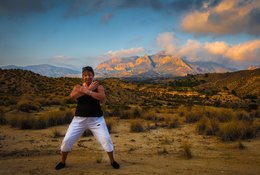 Spain
A tai chi retreat is a focused getaway built around daily tai chi practice - slow, flowing movement designed to improve balance, coordination, strength, and calm. Instead of a busy holiday filled with plans and stimulation, a tai chi retreat invites you into a steadier rhythm: practice, rest, and time to let the movement settle into your body.
Most retreats include guided tai chi sessions one to three times per day, sometimes combined with qigong, meditation, breathwork, gentle stretching, or nature walks. Each listing has its own schedule and teaching style, so the clearest way to understand the pace is to check the itinerary - how much practice you’ll do, how technical it gets, and how much downtime you’ll have between sessions. If you’re exploring more quiet, seated practice too, you can also browse All meditation retreats.
If you’re new, a 5–7 day retreat is often the sweet spot: long enough to make progress without feeling like a big leap.
You can stay close to home or travel abroad depending on the setting you want—quiet countryside, mountains, or retreat centers designed for slow living. Popular choices include:
Most tai chi retreats offer a mix of:
Comfort can range from simple retreat centers to more upgraded stays with private rooms and extra ease. If you’re keeping costs practical, explore Budget tai chi retreats. If comfort and privacy help you relax into the practice, compare Luxury tai chi retreats.
A tai chi retreat is a structured holiday focused on daily tai chi practice, guided by a teacher, with a calm routine that helps you deepen your movement skills and settle into the practice more than you can at home.
Many days include a morning tai chi session, breakfast, free time or a light workshop, an afternoon practice block, and a quiet evening rhythm. Some retreats include qigong, meditation, or nature-based activities.
Yes. Tai chi is generally accessible and low-impact. Many retreats are designed for mixed levels, with clear instruction and modifications. If you’re new, look for a retreat that states beginner-friendly in its level guidance.
Not necessarily. Tai chi focuses more on balance, control, and body awareness than flexibility. That said, it can challenge your legs and posture gently over time. If you have injuries or mobility concerns, check details with the organiser.
Tai chi is often taught as a flowing sequence (a form) with martial roots and coordination focus, while qigong usually involves simpler repeated movements and breath-led energy work. Many retreats include both because they complement each other.
Comfortable layers you can move in, and suitable footwear if sessions are outdoors. Many centers provide mats and props, but you can bring a personal cushion if meditation is included.
Absolutely. Tai chi retreats are often very solo-friendly because the vibe is calm and reflective, and the shared rhythm of practice makes connection feel easy without pressure.
On the search results page, start with dates and duration, then check the itinerary for how much practice is included each day. Look at the level, whether the retreat includes qigong or meditation, and the overall pace. The right retreat should match your experience, your body, and how much structure you want.

A Tripaneer gift card is the perfect present for anyone interested in wellness, culture, and adventure. For any journey, near or far, choose between 17,500 experiences worldwide.
Over 300,000 wellness and adventure travelers like you have chosen Tripaneer for their unforgettable journeys so far. Hear what they have to say about us!
enjoyed through us worldwide
recommend booking with us
4.8 star average organizer score
“A Beautiful Retreat to Disconnect, Restore, Reset & Recharge”
 United States
“A fabulous week in the French countryside with amazing hosts”
 United Kingdom
“Life enhancing and altering experience”
 France